“4 species” search results (2000)

On the judgment standard of fine coffee
Ppxxx.jpg (54.18 KB, downloads: 0) download attachment and save to photo album 2013-8-20 17:01 upload at present, there is no clear judgment standard of boutique coffee in the international community, here the standards of the American Fine Coffee Association and the basic standards of coffee producing countries are briefly explained. American Fine Coffee Association Standard: 1. Whether it has rich dry aroma (Fragrance)
2014-07-23 Boutique coffee judge boutique coffee about boutique coffee coffee encyclopedia
Coffee beans are important raw materials for making beverages
1. Summary: coffee is a perennial evergreen shrub or small tree of Rubiaceae. It is native to tropical Africa and has been cultivated for more than 2000 years. The Arabs began to grow coffee in 525 BC, and it was popular for Arabs to stir-fry coffee beans. They began to grow coffee beans on a large scale after the 15th century, and were widely distributed in the tropics and subtropics of Europe, Asia, Africa and Latin America after the 18th century.
2015-09-22 Talking about coffee beans production beverages important raw materials overview coffee grass for many years
Coffee botany is mainly divided into the following five varieties
There are more than 60 types of coffee classified, but there are roughly two varieties of coffee grown commercially on a large scale, one is Arabica, accounting for about 70 percent of the world's coffee planting area, and the other is Robasta, accounting for about 30 percent of the world's coffee planting area. According to our national standards, the classification of coffee is mainly divided into the following five varieties. 1. Small seed coffee, that is, Arabian species. Original production
2015-07-28 Coffee botany mainly divided into the following a variety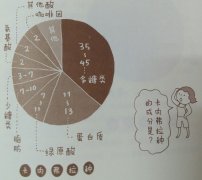
Figure out what ingredients raw coffee beans are made of.
In raw coffee beans, moisture accounts for 9% to 13%, and moisture has little effect on the aroma of coffee beans. Later, I will introduce the content of various ingredients (calculated according to the state of dried raw beans). When the share of these ingredients changes, the flavor of coffee beans will also change greatly. The most abundant ingredient in polysaccharide raw beans is polysaccharides, accounting for 35% and 4%.
2015-09-10 Illustration coffee beans is made of what ingredients composition coffee raw beans water occupy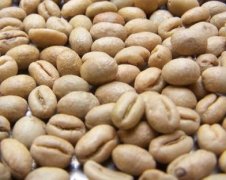
Common sense of high-quality coffee raw beans varieties of raw coffee beans
Coffee is the first tropical cash crop in terms of output, consumption and economic value among the three major beverages in the world. it is the second raw material after international trade relay oil, and it is also one of the largest tropical food raw materials in the world. The coffee variety garden covers an area of 3 mu, which mainly lies in the collection and preservation of coffee variety resources. the varieties are carried out on the basis of the observation of its botanical and biological characteristics.
2014-12-28 Boutique coffee raw beans common sense variety world three raw materials output
Characteristics of boutique coffee beans
High-quality coffee beans must be high-quality beans with flawless beans, fine coffee beans must be excellent varieties, and the growth environment of high-quality coffee beans also has higher requirements. The best way to harvest high-quality coffee beans is to harvest them manually.
2014-05-14 Coffee knowledge coffee beans coffee characteristics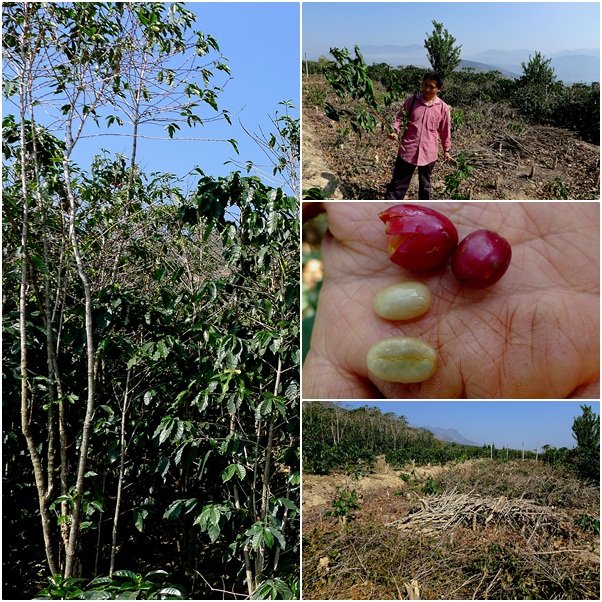
High-yield high-quality coffee beans from Colombia Huilan producing area
Colombia, a South American country adjacent to Brazil, is also a world-famous coffee producer with rich landforms, low dimensions and high elevations, and has a more superior coffee growing environment than Brazil. Colombia, which had previously been the second largest producer of coffee beans in the world after Brazil, has been overtaken by Vietnam to become the third largest producer in recent years. Brother
2016-04-12 Colombia Coffee High yield High quality Coffee beans Huilan producing area Yellow bourbon Brazil
Species and cultivation techniques of Coffee trees
Arabica bean coffee tree can be divided into two main varieties: Arabica species (Coffea Arabica) and Robusta species (Coffea Robusta/Coffea Canephora). There are also some minor species, such as the Liberian species (Coffea Liberica) and the Alabasta species (Coffea Arabusta), but they are rare on the market.
2016-06-03 Coffee category and cultivation techniques varieties classification editing rabbi Kadou coffee main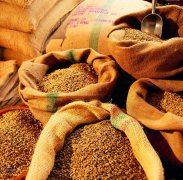
Knowledge about coffee botany
According to the botanical description of coffee: coffee is Rubiaceae, coffee genus, perennial evergreen shrubs or small trees. There are more than 60 types of coffee classified, but there are roughly two varieties of coffee grown commercially on a large scale, one is Arabica, accounting for about 70 percent of the world's coffee planting area, and the other is Robasta, accounting for about 30 percent of the world's coffee planting area. According to our country
2014-08-29 Coffee plants coffee knowledge coffee encyclopedia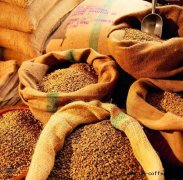
Knowledge of coffee botany.
9bf95f67gw1dzk8j7xbi4j.jpg (135.26 KB, downloads: 0) download attachment to photo album 2012-12-7 09:12 upload according to botanical description of coffee is: coffee is Rubiaceae, coffee, perennial evergreen shrubs or small trees. There are more than 60 types of coffee, but there are roughly two varieties of coffee grown on a large scale.
2014-07-23 Botanical knowledge coffee knowledge coffee culture
Good criteria for coffee beans! Judging standard of fine coffee
At present, there is no clear judgment standard of fine coffee in the international community. Here, we will briefly explain the standards of the American Fine Coffee Association and the basic standards of coffee producing countries. American Fine Coffee Association Standard: 1. Whether it has rich dry aroma (Fragrance). The so-called dry aroma refers to the aroma of roasted or ground coffee. two。 Whether it has rich wet aroma (Aroma).
2015-09-09 Okay coffee beans judgment standards boutique coffee at present internationally socially and
Harald Coffee with the most complex and varied flavor in Ethiopia
[product name] Harald (Harar-4) [place] Ethiopia (Ethiopia) [place] recommended roasting degree: urban roasting or deep urban roasting [cup review] medium to slightly sour, full taste, strong mocha flavor and iconic blueberry flavor of the Harald region of western Ethiopia, the general conventional species, the tree species are very powerful coffee.
2014-08-04 Ethiopia flavor complexity diversity Harald Rahl coffee la
Boutique coffee beans introduce Harald coffee
[product name] Harald (Harar-4) [place] Ethiopia (Ethiopia) [place] recommended roasting degree: urban roasting or deep urban roasting [cup review] medium to slightly sour, full taste, strong mocha flavor and iconic blueberry flavor of the Harald region of western Ethiopia, the general conventional species, the tree species are very powerful coffee.
2014-10-28 Coffee knowledge Harald coffee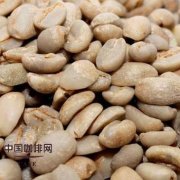
Harald coffee, the most complex and diverse coffee in Ethiopia.
[product name] Harald (Harar-4) [place] Ethiopia (Ethiopia) [place] recommended roasting degree: urban roasting or deep urban roasting [cup review] medium to slightly sour, full taste, strong mocha flavor and iconic blueberry flavor of the Harald region of western Ethiopia, the general conventional species, the tree species are very powerful coffee.
2015-01-31 Ethiopia coffee flavor complexity diversity Harald Rahl la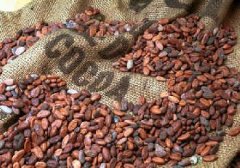
Ethiopian coffee, the most complex and diverse Harald coffee.
[product name] Harald (Harar-4) [place] Ethiopia (Ethiopia) [place] recommended roasting degree: urban roasting or deep urban roasting [cup review] medium to slightly sour, full taste, strong mocha flavor and iconic blueberry flavor of the Harald region of western Ethiopia, the general conventional species, the tree species are very powerful coffee.
2015-03-23 Ethiopia flavor coffee complexity diversity Harald Rahl
Harald Coffee with the most complex and varied flavor in Ethiopia
[product name] Harald (Harar-4) [place] Ethiopia (Ethiopia) [place] recommended roasting degree: urban roasting or deep urban roasting [cup review] medium to slightly sour, full taste, strong mocha flavor and iconic blueberry flavor of the Harald region of western Ethiopia, the general conventional species, the tree species are very powerful coffee.
2015-05-09 Ethiopia flavor complexity diversity Harald Rahl coffee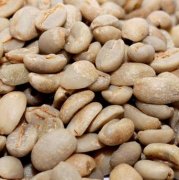
Introduction to coffee varieties: Harald (Harar)
[product name] Harald (Harar-4) [place] Ethiopia (Ethiopia) [place] recommended roasting degree: urban roasting or deep urban roasting [cup review] medium to slightly sour, full taste, strong mocha flavor and iconic blueberry flavor of the Harald region of western Ethiopia, the general conventional species, the tree species are very powerful coffee.
2015-06-01 Coffee varieties introduction Harald Rahl Harar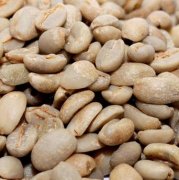
Introduction to coffee varieties: Harald, Ethiopia (Harar)
[product name] Harald (Harar-4) [place] Ethiopia (Ethiopia) [place] recommended roasting degree: urban roasting or deep urban roasting [cup review] medium to slightly sour, full taste, strong mocha flavor and iconic blueberry flavor of the Harald region of western Ethiopia, the general conventional species, the tree species are very powerful coffee.
2015-09-14 Coffee varieties introduction Ethiopia Harald Rahl Harar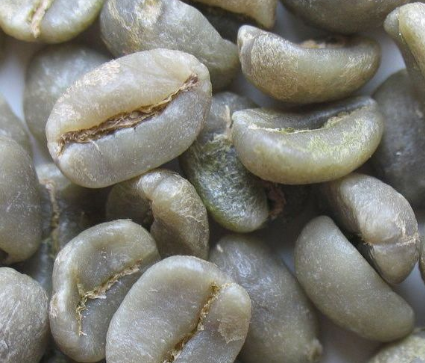
World Classification of Fine Coffee beans: introduction to Arabica Coffee species
There are about 60 kinds of coffee, but there are mainly two varieties of coffee grown commercially. "Arabica" 2. "Robasta" if divided according to the planting area of these two kinds of coffee, Arabica accounts for 70% of the world's acreage, and Robasta accounts for 30%. This shows how important Arabica coffee beans are in the world! So
2015-12-16 World boutique coffee beans classification rabbi coffee types introduction
Classification of coffee by the National Standard for Coffee Botany
There are more than 60 types of coffee, but there are roughly two types of coffee grown on a commercial scale, one is Arabica, accounting for about 70% of the world's coffee planting area; one is Robasta, accounting for about 30% of the world's coffee planting area. According to the classification of coffee by China's national standards, it is mainly divided into the following five varieties. 1. Arabica coffee, i.e. Arabian species. origin
2015-01-17 coffee botany national standard classification class has variety commercial